Which roads do examiners use on Tallaght driving test routes?
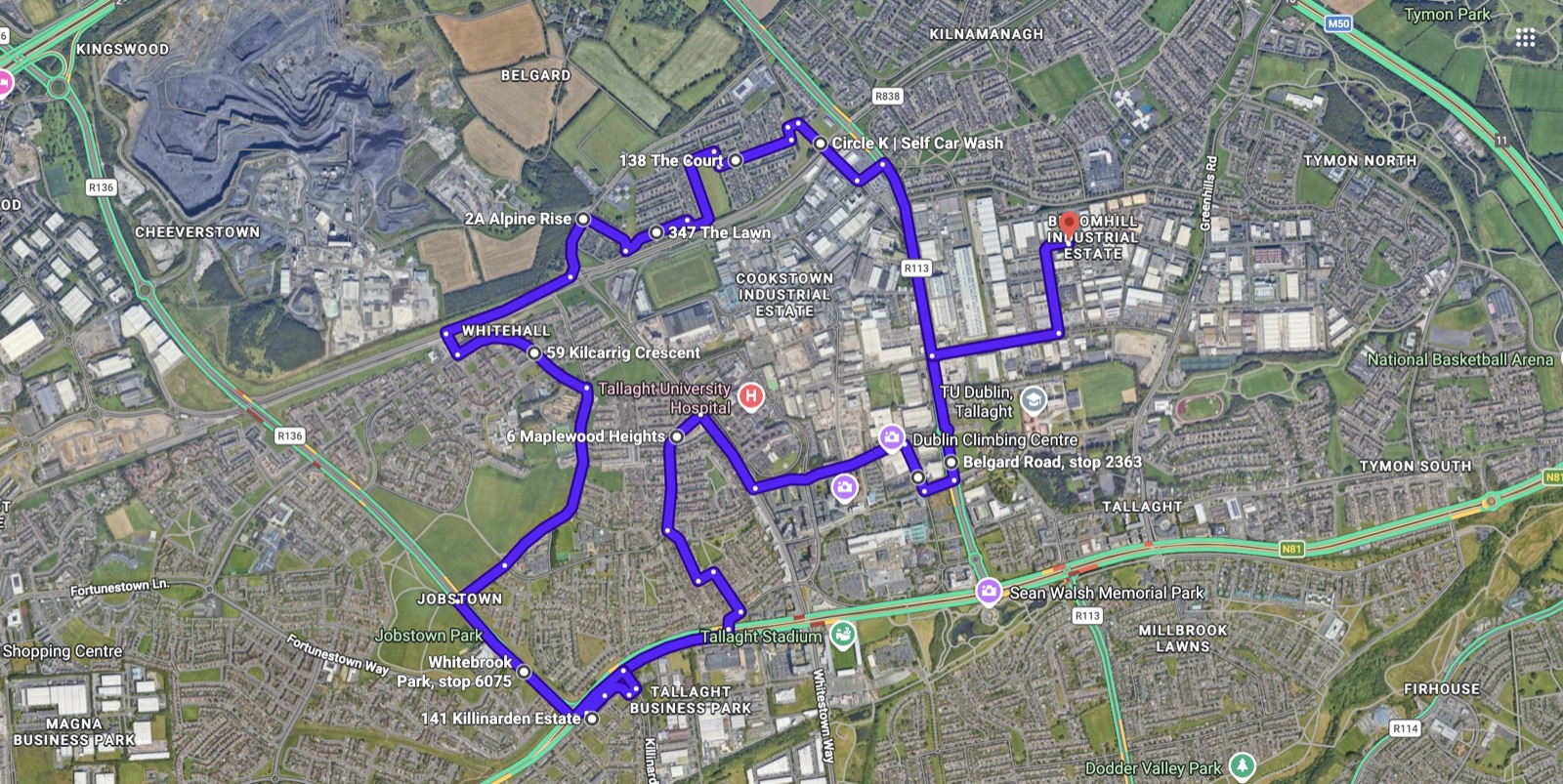
There is no single fixed route. Examiners reuse the same South Dublin network: busy distributors for progress and lane discipline, then steep estates for observation and manoeuvres.
Broomhill Road
Leave and return corridor for Premier Business Park. Observation and commitment are marked from the first junction out of the site. Common faults: weak scans leaving the centre, hesitation joining traffic, poor positioning near industrial entrances.
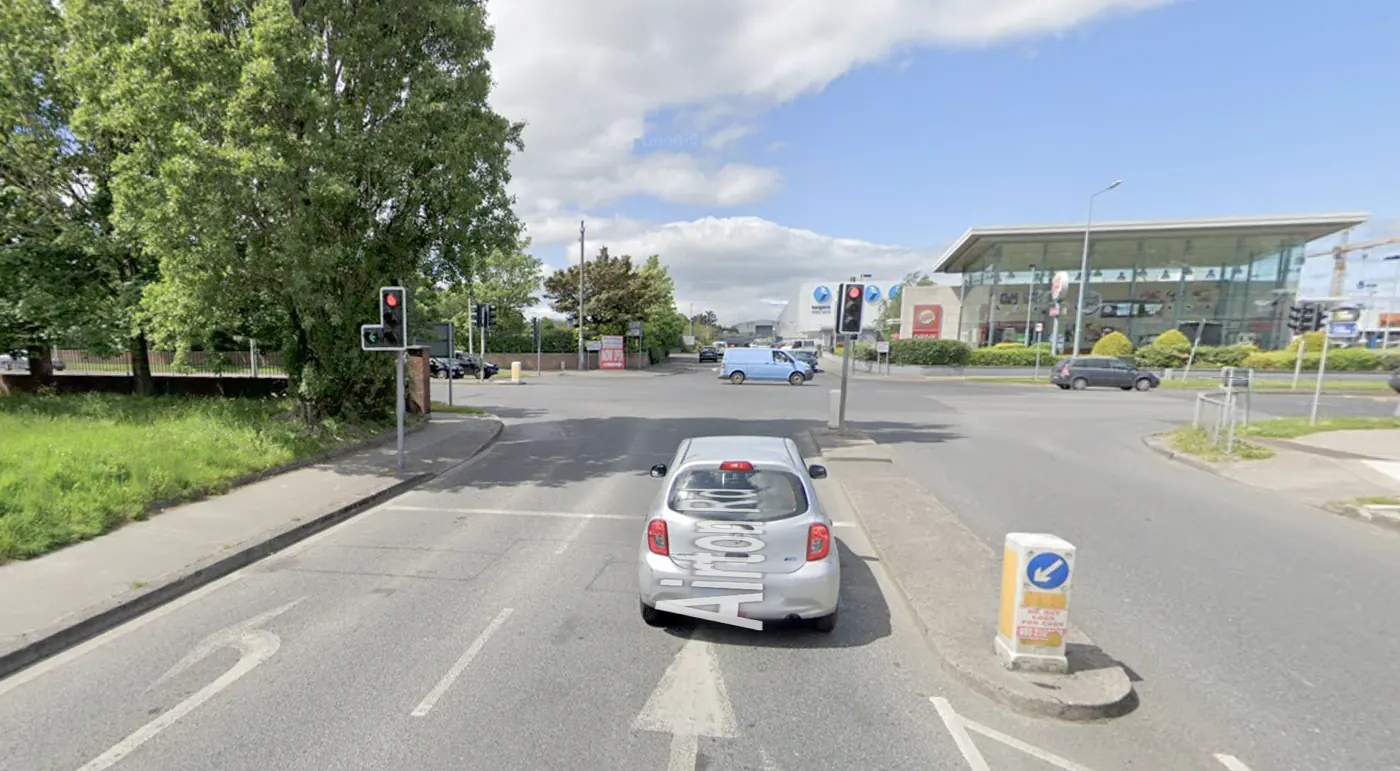
Greenhills Road
The R819 commuter spine with chains of traffic lights. Late lane choice, hesitation that blocks flow, missing mirrors and wrong speed for posted limits are the usual marks. Keep steady near-limit progress and read signs — road width does not mean 60 km/h.
Castletymon Road
Links estates to main roads. Estate exits need full stops and proper gap judgement; timid or unsafe pulls onto the distributor both fail. Late braking after bends is common.
Belgard Road / hospital roundabout
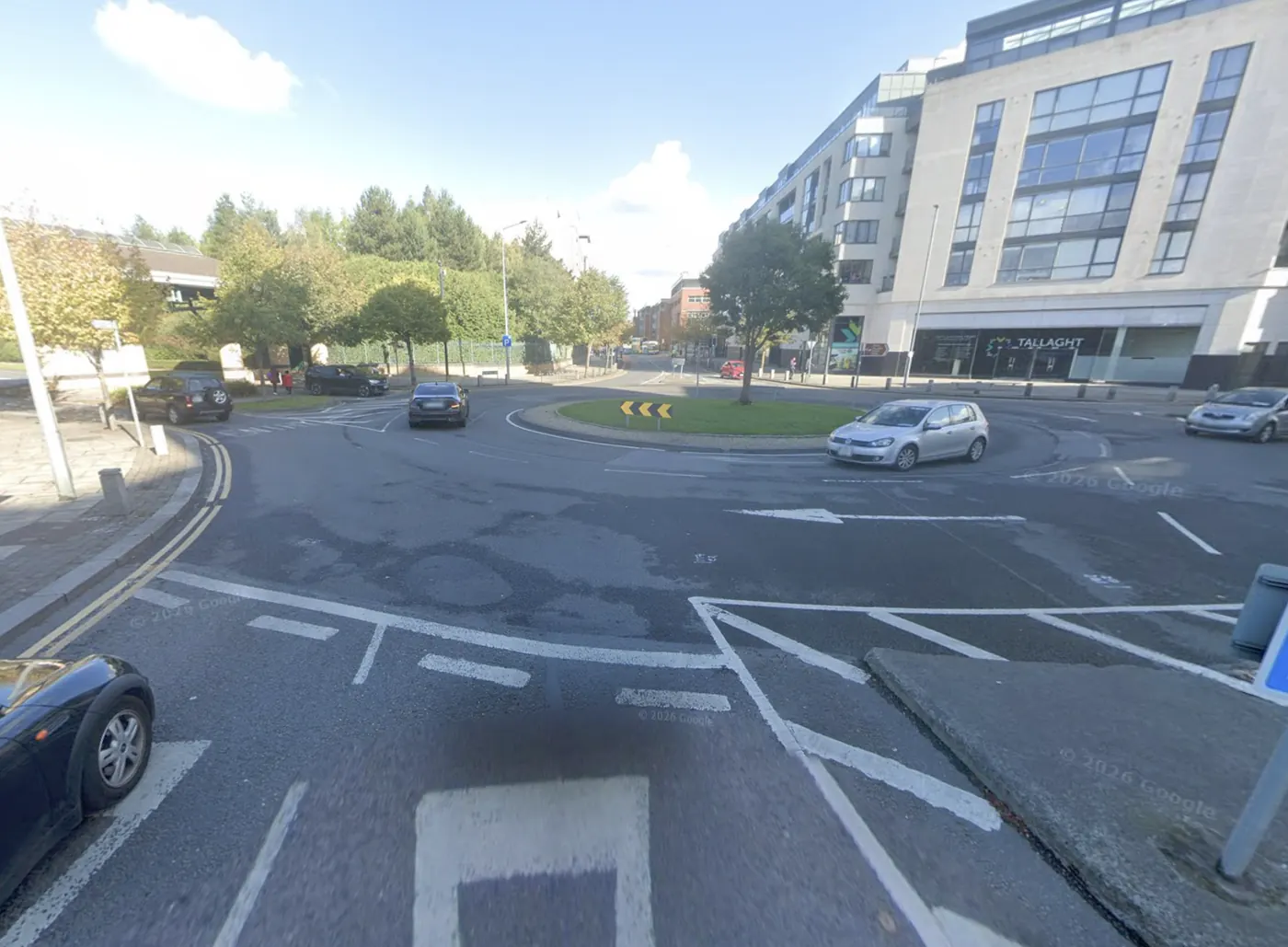
Multi-lane roundabout pressure near major flows. Drifting lanes, late indicators, cutting exits and freezing at entry stack faults quickly. Pick your lane early and hold it.
Parkhill, Killinarden and Redwood
Tight residential manoeuvre zones with parked cars and gradients. Parkhill reverse is one of the hardest in the country because of slope plus limited space. Kerb contact, weak observation and clutch panic on hills are the fail patterns.
Tymon and Bancroft
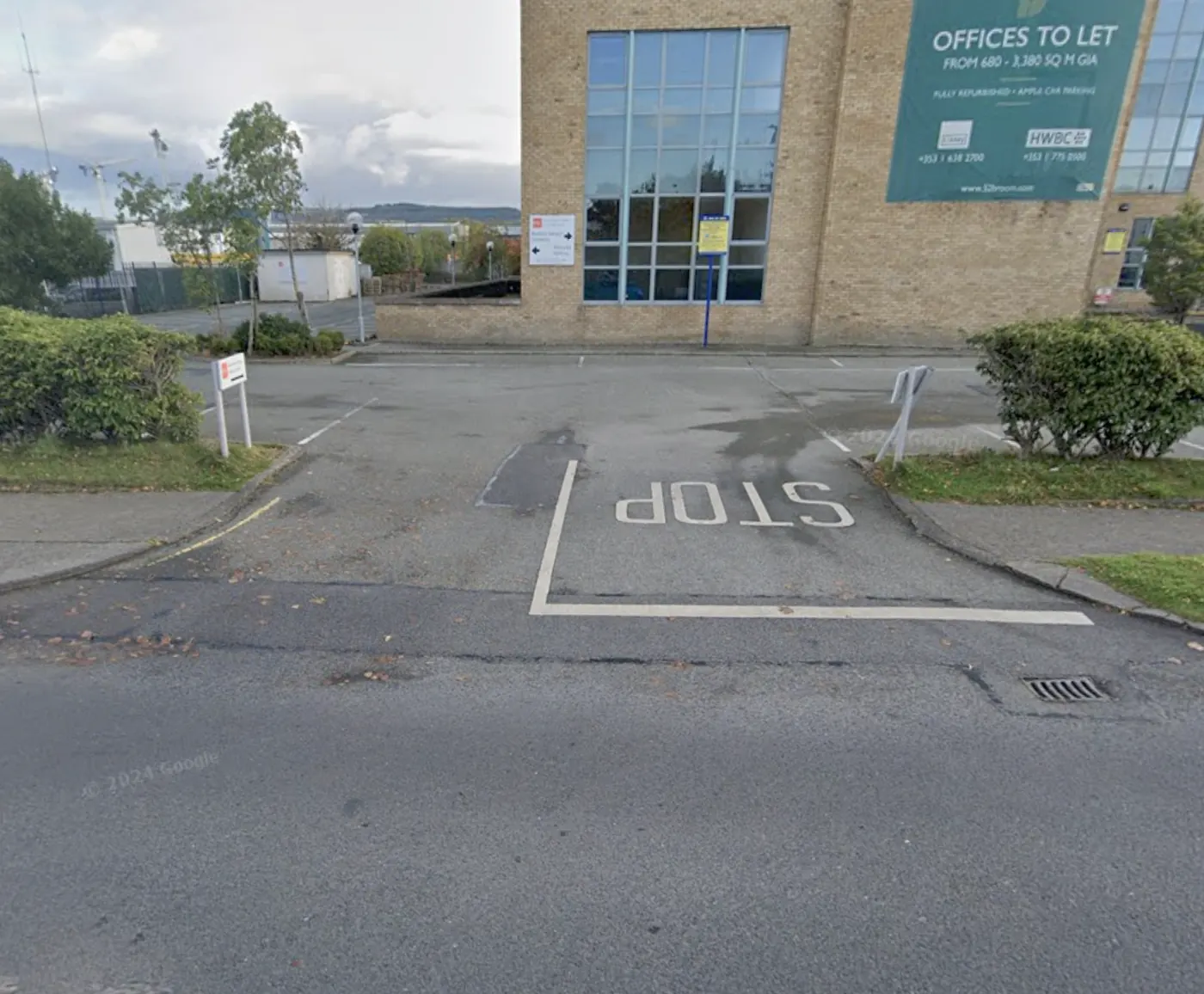
Restricted-visibility estate exits need creep-and-peep and full left–right scans. Rushing out or incomplete observation is marked hard here.
Where is reverse, hill start and turnabout done in Tallaght?
Irish RSA car tests at this centre use reverse around a corner, turnabout and hill start — not UK-style parallel or bay parking as standard marked manoeuvres.
Where is the reverse around the corner done?
- Killinarden Estate → The Meadows West → Alpine Rise
- Redwood Way → Treepark Road (beside Dunnes Stores) → Redwood Walk
- Parkhill Road → Parkhill Avenue
- St Aongus Green
Parked cars, tight angles and poor visibility are deliberate. Parkhill combines slope with limited space — control and continuous observation matter more than speed.
Where is the hill start done?
- Treepark Road (outside Tamarisk Heights)
- Elmcastle Park (beside the field)
- Tymonville Park
Tallaght gradients are steeper than many Dublin centres. Rolling back, over-revving, or moving off without mirrors and a blind-spot check are common marks.
Where is the turnabout done?
- Glenview Park (very common)
- Onto the Court from The Heath → The Oaks → The Meadows East
- Avonbeg Park → Mountain Park (outside basketball court)
- Homelawn Villas → Mountain Park area
Quiet traffic but limited turning space. Mirror checks between each movement matter as much as steering judgement.
What is the Tallaght pass rate and waiting time?
Pass rate: 48.5% Category B. Source: CSO / RSA driving test statistics (ROA), Category B, July 2026.
Waiting time: 21 weeks to invite. Check MyRoadSafety for live slots and cancellations. Source: CSO / RSA driving test statistics (ROA), Category B, July 2026. Last updated July 2026.
Compare every centre on our pass rates ranking and waiting times ranking.
Local tips to pass the Tallaght driving test
- Treat leaving Premier Business Park / Broomhill Road as the first marked junction.
- Practise Greenhills Road lights in daytime traffic until lane choice feels automatic.
- At Belgard and hospital-area roundabouts, pick your lane early and hold it.
- On Parkhill reverse: expect slope plus tight space — control first, then observation.
- Tallaght hill starts are steeper than many Dublin centres — aim for zero rollback.
- Estate exits in Tymon, Bancroft and Redwood need visible head checks every time.
- Do not trust road width for speed — watch 50 → 60 transitions near distributors.
- Hesitation on Greenhills and Castletymon is marked as hard as unsafe gaps — be decisive and safe.
- Repeat Glenview and Mountain Park turnabouts until mirror checks between moves are automatic.
- Use MyRoadSafety cancellations if you want an earlier Tallaght appointment.
Related guides: How to pass the Tallaght driving test · Tallaght fail spots · Dublin driving test routes
Tallaght driving test routes – frequently asked questions
Where do testers take you on Tallaght driving test routes?
Examiners reuse corridors around Broomhill Road, Greenhills Road, Castletymon Road, Belgard Road, St Aongus, Tymon, Bancroft, Redwood / Treepark, Parkhill and Killinarden — typically within a few kilometres of Premier Business Park.
Where is the reverse around the corner done on the Tallaght test?
Common reverse areas include Killinarden → The Meadows West → Alpine Rise, Redwood Way → Treepark Road → Redwood Walk, Parkhill Road → Parkhill Avenue, and St Aongus Green. Parkhill is especially tight because of slope plus limited space.
Where is the hill start on the Tallaght driving test?
Hill starts often appear on Treepark Road outside Tamarisk Heights, Elmcastle Park beside the field, and Tymonville Park. Gradients here are steeper than many Dublin centres — any rollback is marked.
Where is the turnabout done on the Tallaght test route?
Turnabouts are often done in Glenview Park, from The Heath toward The Oaks / The Meadows East, Avonbeg Park → Mountain Park, and Homelawn Villas toward Mountain Park.
How long is the driving test in Tallaght?
Plan for about 30–40 minutes including checks and manoeuvres, with a drive of at least 7.5 km. Signs, questions and technical checks add time at the centre.
What manoeuvres are on the Tallaght RSA driving test?
Expect reverse around a corner, hill start and turnabout. Parallel parking and bay parking are not the standard RSA car-test manoeuvres used at this centre.
What is the Tallaght driving test pass rate?
The Category B pass rate at Tallaght was 48.5% in July 2026. Source: CSO / RSA driving test statistics (ROA), Category B, July 2026.
How long is the waiting time for a Tallaght driving test?
CSO reported 21 weeks to driving test invite at month end (July 2026). Confirm live slots on MyRoadSafety. Source: CSO / RSA driving test statistics (ROA), Category B, July 2026.
Where is the Tallaght driving test centre?
Premier Business Park, 52 Broomhill Rd, Tallaght, Dublin, D24 VE8E. Always confirm the address on your RSA booking letter.
Can I change my Tallaght driving test date?
If your test is more than 10 days away you can usually change date or time free via MyRoadSafety. Closer than that, cancelling typically means losing the fee unless RSA rules for your situation allow otherwise — check rsa.ie.