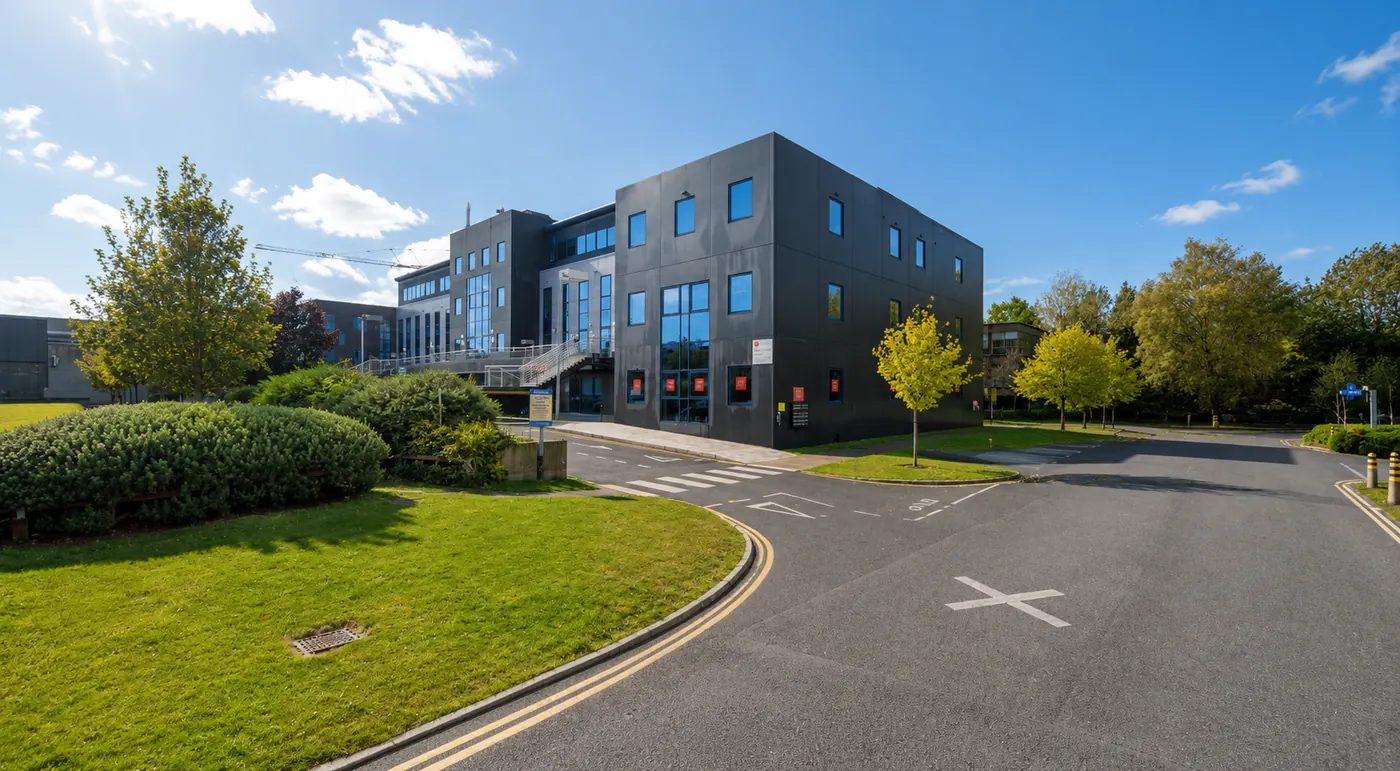
Which roads do examiners use on Dun Laoghaire driving test routes?
There is no single fixed route. Examiners reuse the same suburban network: busy distributors for progress and lane discipline, then estates for observation and manoeuvres.
Kill Avenue
Appears on most routes. Wide multi-lane layout, bus activity and signal junctions test mirror–signal–position and decisive right turns. Common faults: late lane choice, unintentional bus-lane use, hesitation that blocks traffic. Keep steady near-limit progress on open sections.
Rochestown Avenue
Links estates to busier roads. Straight sections check speed and cyclist awareness; parked cars force clearance judgement. Learners lose marks for hugging parked vehicles, downhill speed creep and weak right-turn positioning.
Monkstown Farm
Tight residential roads, speed ramps and limited-visibility junctions — a frequent manoeuvre zone. Fail patterns: rolling through estate exits, weak observation, kerb contact on reverse, clutch issues on inclines.
Sallynoggin
Narrow streets with parked cars and tight corners. Cutting corners, poor clearance, forgotten blind-spot checks when moving off, and mounting kerbs on reverse are the usual marks.
Glenageary
Southern corridor with downhill stretches, bus stops and crossings. Manage speed early downhill; late braking and missed mirrors near buses are common.
Deansgrange / Bakers Corner
High traffic, lane choices and pedestrian interaction near the centre approach. Choose lanes early; hesitation while blocking flow and late signalling attract faults.
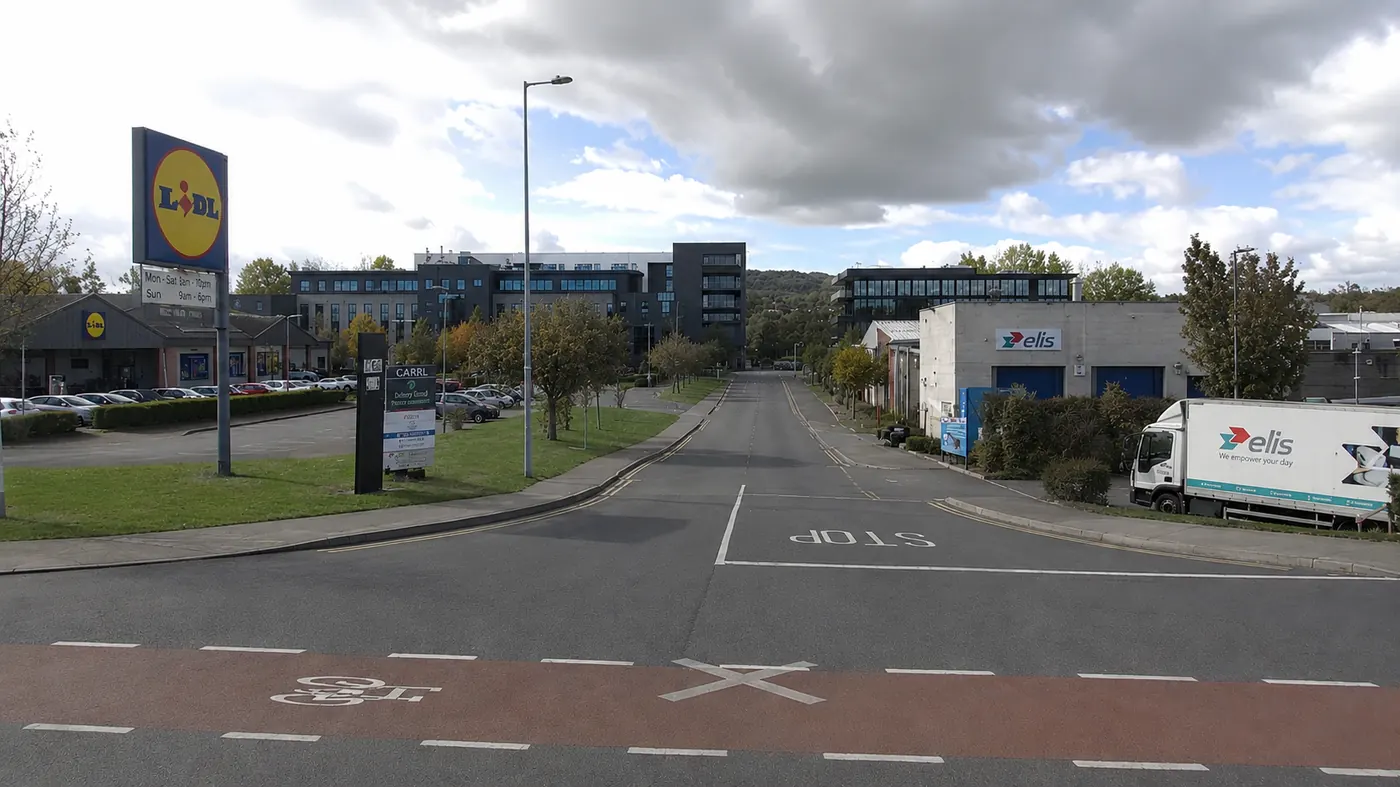
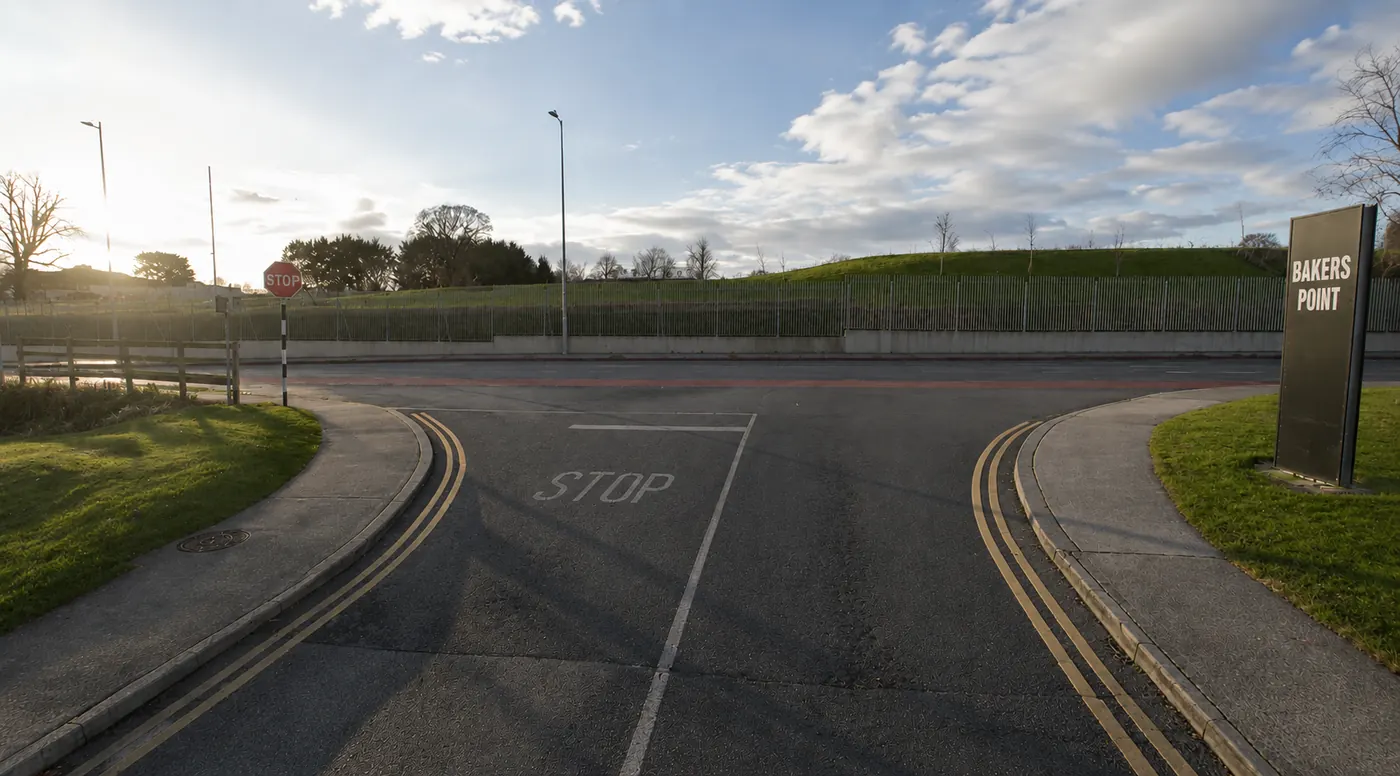
Leaving and returning via the Bakers Point complex is part of the test pressure: limited sight lines at the exit mean observation and commitment are marked from the first junction.
Where is reverse, hill start and turnabout done in Dun Laoghaire?
Irish RSA car tests at this centre use reverse around a corner, turnabout and hill start — not UK-style parallel or bay parking as standard marked manoeuvres.
Where is the reverse around the corner done?
- Pearse Road (near Pearse Park) → outside Church of Our Lady of Victories
- Beech Park Grove → Meadow Vale (beside Clonkeen Playground, around house 130)
- Pearse Villas → Park Close
- Monkstown Farm and Sallynoggin side roads
Examiners mark control, kerb distance, pedestrian awareness and continuous observation. Mounting the kerb or rushing without scanning are typical fails.
Where is the hill start done?
- Hillcourt Road (toward Killiney Golf Club)
- Granitefield area (toward Auburn Road)
- Inclines inside Monkstown Farm and Sallynoggin
Gradients are steady rather than extreme. Rolling back even slightly, over-revving, or moving off without mirrors and a blind-spot check are common marks.
Where is the turnabout done?
- Sycamore Walk / Sycamore Avenue
- Churchview Drive (toward Silchester Park)
Quieter estate roads with enough width for a three-point turn, but tighter than they look. Mirror checks between each movement matter as much as steering.
What is the Dun Laoghaire pass rate and waiting time?
Pass rate: 44% Category B. Source: CSO / RSA driving test statistics (ROA), Category B, July 2026.
Waiting time: 14 weeks to invite. Check MyRoadSafety for live slots and cancellations. Source: CSO / RSA driving test statistics (ROA), Category B, July 2026. Last updated July 2026.
Compare every centre on our pass rates ranking and waiting times ranking.
Local tips to pass the Dun Laoghaire driving test
- Treat the Bakers Point exit as the first marked junction: full stop, clear observation, then commit when the gap is real.
- Practise Kill Avenue in daytime traffic so bus lanes, signals and right turns feel routine.
- On Rochestown Avenue, set clearance from parked cars early — squeezing past is a common fault pattern.
- In Monkstown Farm and Sallynoggin, make head checks at every estate exit obvious to the examiner.
- Do reverse practice on narrow streets with parked cars, not empty car parks.
- Hill starts on Hillcourt Road and Granitefield: hold without rollback, then mirrors and blind spot before moving.
- At Deansgrange / Bakers Corner, choose your lane early; late switches attract faults.
- Match speed to the road: near-limit on Kill Avenue straights, slow and controlled in estates.
- Expect mini-roundabouts — signal exits and check mirrors on approach.
- Watch MyRoadSafety cancellations if you want an earlier Dun Laoghaire appointment.
Related guides: How to pass the Dun Laoghaire driving test · Dun Laoghaire fail spots · Dublin driving test routes
Dun Laoghaire driving test routes – frequently asked questions
Where do testers take you on Dun Laoghaire driving test routes?
Examiners work within roughly a 5 km radius of Bakers Point on Pottery Road. Common corridors include Bakers Corner, Kill Avenue, Rochestown Avenue, Sallynoggin, Monkstown Farm, Glenageary, Deansgrange and toward Killiney / Watson’s Estate.
Where is the reverse around the corner done on the Dun Laoghaire test?
Common reverse areas include Pearse Road near Pearse Park (outside Church of Our Lady of Victories), Beech Park Grove toward Meadow Vale, and Pearse Villas toward Park Close — narrow residential streets with parked cars.
Where is the hill start on the Dun Laoghaire driving test?
Hill starts often appear on Hillcourt Road toward Killiney Golf Club, in the Granitefield area toward Auburn Road, and on inclines inside Monkstown Farm and Sallynoggin. Any rollback is marked.
Where is the turnabout done on the Dun Laoghaire test route?
Turnabouts are often done around Sycamore Walk / Sycamore Avenue and Churchview Drive toward Silchester Park — quieter estate roads that are tighter than they look.
How long is the driving test in Dun Laoghaire?
The drive is typically about 30–35 minutes and at least 7.5 km. Including signs, questions and technical checks, plan for longer at the centre.
What manoeuvres are on the Dun Laoghaire RSA driving test?
Expect reverse around a corner, hill start and turnabout. Parallel parking and bay parking are not the standard RSA car-test manoeuvres used at this centre.
What is the Dun Laoghaire driving test pass rate?
The Category B pass rate at Dun Laoghaire was 44% in July 2026. Source: CSO / RSA driving test statistics (ROA), Category B, July 2026.
How long is the waiting time for a Dun Laoghaire driving test?
CSO reported 14 weeks to driving test invite at month end (July 2026). Confirm live slots on MyRoadSafety. Source: CSO / RSA driving test statistics (ROA), Category B, July 2026.
Is the Pottery Road / Deansgrange test centre the same as Dun Laoghaire?
Yes. The RSA centre at Highline Building, Baker’s Point, Pottery Rd (A96 KW29) is commonly called Dun Laoghaire, Pottery Road or Deansgrange — always confirm the address on your booking letter.
Can I change my Dun Laoghaire driving test date?
If your test is more than 10 days away you can usually change date or time free via MyRoadSafety. Closer than that, cancelling typically means losing the fee unless RSA rules for your situation allow otherwise — check rsa.ie.